
When Hope Is Deferred
The person we love has finally decided to go to rehab. At last, we feel as though we can breathe again. Surely, now things will change. They will learn new ways of living, hopefully develop a genuine relationship with Jesus, and begin building a different life. Perhaps the nightmare we have been living will finally be over.
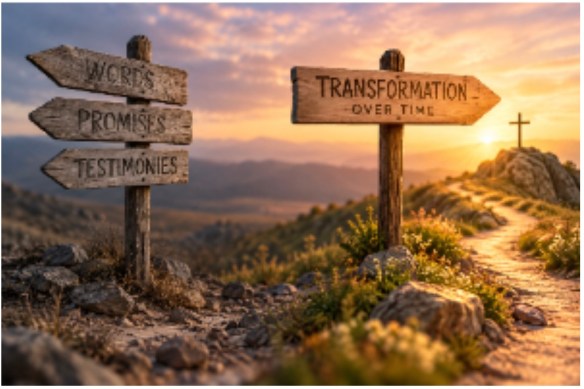
We hear the testimonies of others whose lives have been dramatically transformed, and we pray that this will be our loved one’s story as well.
Then the letters begin arriving. The words sound different. The attitudes seem different. Our loved one speaks about God, acknowledges past mistakes, and promises that things will never be the same again. We begin to believe that the person we once knew is coming back to us.
And so, when graduation day arrives, we welcome them home with renewed hope.
For a while, things seem good. But little by little, old patterns begin to creep back in. Perhaps there are subtle attempts to manipulate or control. Maybe the anger returns, or the dishonesty, blame-shifting, and refusal to take responsibility. Sometimes Scripture itself becomes a tool of manipulation, twisted to justify harmful behavior or demand forgiveness without accountability.
And one day, we realize we are living in the same nightmare we thought we had escaped.
Sometimes it is even worse.
What happened?
In John 8:31–32, Jesus says, “If you hold to my teaching, you are really my disciples. Then you will know the truth, and the truth will set you free.”
Over the years, I have known many people who could proclaim biblical truth, quote Scripture, and speak convincingly about their faith. They knew the truth in their heads, but somehow that truth never seemed to make its way into their everyday lives and relationships. Their words proclaimed freedom, but their behavior continued to produce bondage, broken relationships, and harm.
Knowing about the truth is not the same as living in the truth.
For someone who needs to be set free—and really, isn’t that all of us?—genuine transformation begins with a willingness to see ourselves clearly and honestly. It means allowing the good, the bad, and the ugly to come into the light, without excuses, blame, or attempts to make ourselves look better than we are.
It also means recognizing that the foundation upon which we have built our lives may need to be replaced. Instead of building on the shifting sand of our own understanding, coping mechanisms, and self-protective patterns, we begin building on the solid rock of Jesus Christ and the identity He gives us.
This is where genuine transformation takes root.
Galatians 2:20 says:
“I have been crucified with Christ and I no longer live, but Christ lives in me. The life I live in the body, I live by faith in the Son of God, who loved me and gave Himself for me.”
Think about that for a moment.
It is His life IN me, not merely my life knowing about Him.
There is real hope for transformation. But it doesn’t come from collecting biblical truths and tucking them away in our brains so we can sound spiritual when we talk. It comes from the radical recognition that our old self was crucified with Christ and that we are no longer bound to live according to the patterns that once controlled us.
And genuine transformation will eventually be reflected in how we live, how we respond when confronted, how we accept responsibility, and how we treat the people closest to us.
A powerful testimony may be the beginning of change, but it is not the evidence of a transformed life. That evidence is revealed over time.
And what about those of us who love someone caught in addiction or harmful patterns?
This truth is just as important for us.
We, too, need to understand who we are in Christ. Our identity is not determined by another person’s choices, their recovery, their approval, or their treatment of us. We are God’s beloved daughters—known, seen, valued, and held by Him.
And when we begin to live from that identity, something changes.
We can love without taking responsibility for another person’s choices. We can extend grace without excusing harmful behavior. We can forgive without pretending that trust has been restored. We can establish healthy boundaries without believing we are being unloving or unchristian.
We can recognize that another person’s refusal to change does not mean we must continue allowing their destructive patterns to govern our lives.
Perhaps one of the hardest lessons we learn is that we cannot make someone else walk in the freedom Christ offers. But we can choose to walk in that freedom ourselves.
And that is a hope that does not have to be deferred.
Recent Releases
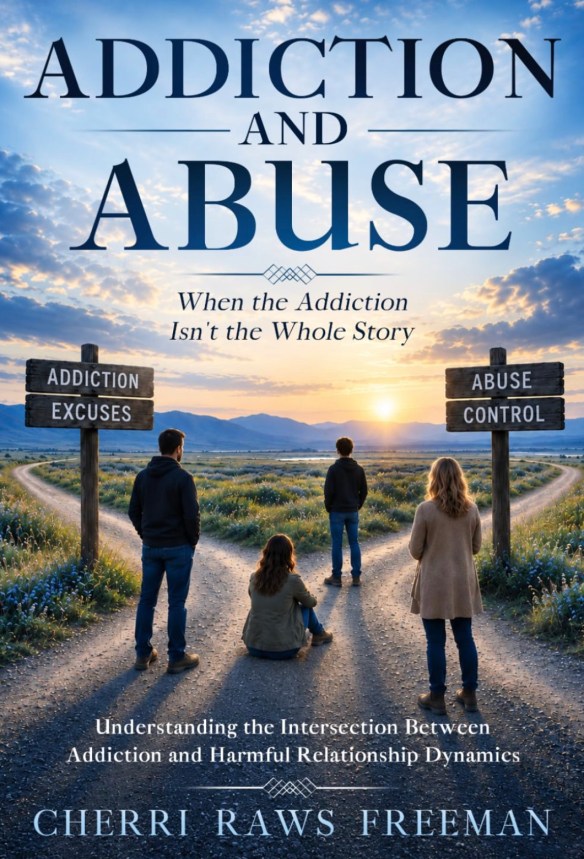
When addiction and abuse exist in the same relationship, it can be difficult to know where one ends and the other begins. Addiction and Abuse explores the destructive patterns that can accompany addiction and the impact they have on spouses, parents, adult children, siblings, and others who love them. Available on Amazon and other retailers in paperback, ebook, and audiobook forms. It has also been translated into multiple languages in Amazon Kindle format.
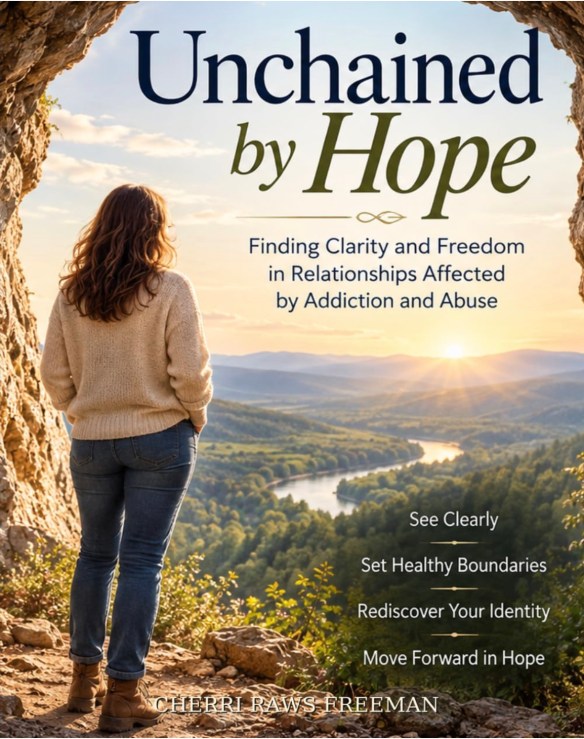
Unchained by Hope is a twelve-session, Christ-centered coaching workbook designed to help women in relationships where addiction and abuse become tangled together. It can be difficult to know what is true, what is yours to carry, and what you can reasonably hope for. The workbook is available on Amazon in paperback and Kindle form and has been translated into multiple languages on Kindle.
In the near future, I will be leading coaching groups based on the workbook. If you know someone who could benefit from such a group, please let me know at lovethemtolife@gmail.com.
Help Love Them To Life Continue
For more than thirteen years, God has faithfully provided for the needs of Love Them To Life through the generosity of those who believe in this ministry. As we continue offering free support, encouragement, and biblical hope to families whose loved ones struggle with addiction, we are increasingly dependent on the kindness of those willing to help financially. I receive no salary from the ministry, and every donation goes toward keeping this work going. If Love Them To Life has been a blessing to you, or if you simply believe in what we are doing, would you prayerfully consider becoming a monthly supporter or making a one-time gift? Every contribution, regardless of size, is deeply appreciated and helps us continue reaching those who need to know they are not alone. More than anything, please keep this ministry in your prayers. Thank you.
Here is the donation link: https://lovethemtolife.com/donate/
Blessings,